What Orlando Owners Need to Know About Cummins Engine Truck Maintenance
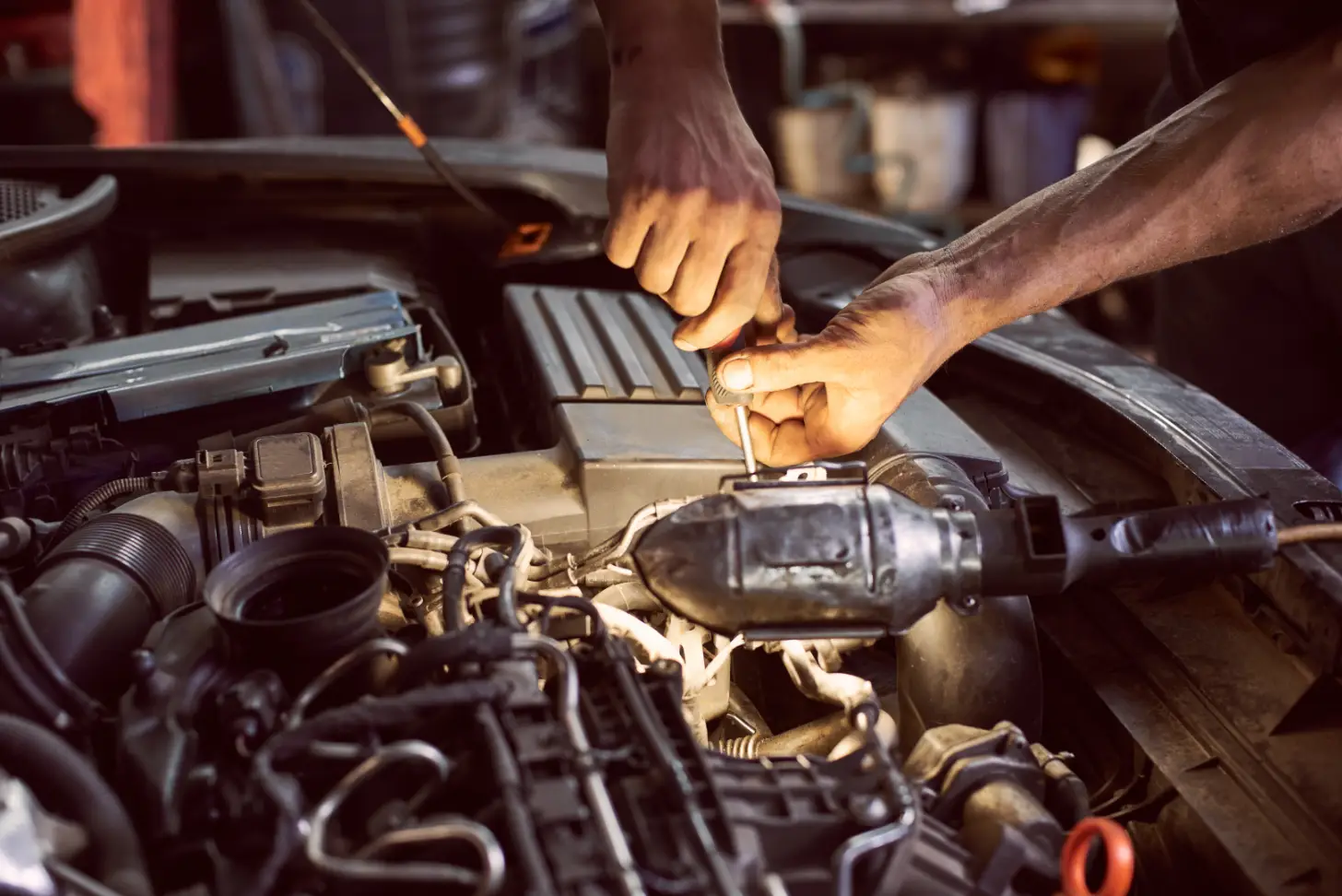
A Cummins-powered truck can spend hours crawling through Orlando traffic before getting a chance to run steadily on the highway. That operating pattern changes how heat, idle time, engine hours, and aftertreatment demands add up.
Proper Cummins engine maintenance accounts for more than mileage alone. For commercial truck owners around Orlando and Apopka, maintenance should reflect the specific engine, duty cycle, operating hours, manufacturer requirements, and conditions the truck encounters every day.
Why Does Cummins Engine Maintenance Matter in Orlando?
Central Florida puts commercial trucks through a demanding mix of heat, congestion, highway operation, frequent stops, and extended idling. Trucks working around Orlando may move between local delivery routes and major corridors such as I-4, Florida's Turnpike, US-441, and State Road 429.
Heat deserves particular attention. NOAA climate normals for Orlando show average daily maximum temperatures above 90°F during much of the summer.
Your engine still needs to manage the heat it creates internally. That makes the cooling system, lubrication system, belts, hoses, fan operation, and related components important parts of diesel engine maintenance in Central Florida.
What Does a Cummins Engine Maintenance Schedule Include?
Cummins produces engines for numerous applications and duty cycles. Maintenance requirements can vary according to engine model, year, vehicle application, mileage, operating hours, fuel consumption, and operating conditions.
Cummins advises owners to follow the maintenance recommendations for their specific engine.
Depending on the engine, Cummins truck maintenance may involve:
- Engine oil and filter service
- Fuel-filter replacement
- Cooling-system inspections
- Air-intake system inspections
- Belt and tensioner inspections
- Crankcase ventilation service
- Valve adjustments where applicable
- Aftertreatment inspections and service
- Diagnostic checks
- DEF system inspections on equipped engines
Check your engine serial number and Cummins service information before establishing an interval. That approach is more reliable than applying a generic mileage figure to every Cummins-powered truck.
Why Are Engine Oil Changes So Important for Cummins Engines?
Engine oil protects internal components against friction and wear. It also carries contaminants to the filter and helps manage heat inside the engine. As oil ages, its ability to perform those jobs can decline. Operating conditions can influence how quickly the oil reaches its service limit.
That makes Cummins oil changes a basic part of preventive maintenance. Use oil that meets the specifications for your particular engine. The correct viscosity, specification, capacity, filter, and service interval can vary between applications.
How Does Orlando Heat Affect a Cummins Cooling System?
Combustion generates substantial heat regardless of outside temperature. Hot Central Florida weather reduces the temperature difference between the cooling system and surrounding air, making proper cooling-system operation particularly important.
The diesel cooling system circulates coolant through the engine to absorb heat. The coolant then travels to the radiator, where airflow helps release that heat.
Several components have to work together:
- Radiator
- Water pump
- Thermostat
- Coolant reservoir
- Coolant hoses
- Cooling fan
- Fan clutch on applicable trucks
- Belts and tensioners
A restricted radiator, coolant leak, damaged hose, failing water pump, or fan problem can interfere with heat transfer.
Watch the temperature gauge closely. Coolant loss, overheating warnings, visible leaks, unusual fan behaviour, or recurring temperature increases require diagnosis before the truck returns to demanding service.
Why Does the Fan Clutch Matter in Orlando Traffic?
Highway speed naturally pushes substantial air through the radiator. Slow-moving traffic provides much less airflow.
That's where the cooling fan becomes important.
On applicable trucks, the fan clutch controls fan operation according to cooling demand. A malfunction can become particularly noticeable during low-speed operation, extended idling, or heavy traffic.
An engine that runs normally at highway speed but starts getting hotter during slow operation may have a cooling-system problem that needs diagnosis. The fan clutch is one possible cause, but technicians should inspect the complete system rather than assuming one component has failed.
For trucks working around Orlando, Apopka, Ocoee, and other congested parts of Orange County, that distinction matters.
What Should Owners Know About Cummins Fuel-System Maintenance?
A diesel engine depends on clean fuel delivered at the correct pressure and quantity. Contamination or restricted filters can interfere with that process.
Regular Cummins fuel system maintenance includes replacing fuel filters according to the requirements for the particular engine and inspecting for leakage or contamination.
Drivers should report symptoms such as:
- Hard starting
- Reduced engine power
- Rough operation
- Stalling
- Unusual smoke
- Fuel-system warning codes
Those symptoms don't automatically identify a failed injector or fuel pump. Electronic diagnostics, pressure testing, inspection, and other troubleshooting may be necessary to identify the cause.
That matters because modern diesel fuel systems use precision components. Guessing at an expensive repair based on one symptom can waste both time and money.
How Do DPF and SCR Systems Affect Cummins Engine Maintenance?
Modern Cummins-powered commercial trucks may use several emissions-control components. Depending on the engine and emissions configuration, the aftertreatment system can include a diesel oxidation catalyst, diesel particulate filter, selective catalytic reduction system, and DEF equipment.
The diesel particulate filter, or DPF, captures particulate matter from the exhaust. Regeneration raises exhaust temperatures to remove accumulated combustible material from the filter.
The SCR system works differently. Diesel exhaust fluid is introduced into the exhaust stream as part of the chemical process used to reduce nitrogen oxide emissions.
Drivers shouldn't ignore DPF, DEF, or aftertreatment warnings. Continued operation with an unresolved fault may eventually affect engine performance or lead to derate conditions depending on the system and fault.
Proper Cummins engine maintenance includes diagnosing why an aftertreatment problem occurred instead of repeatedly clearing codes or forcing regenerations without addressing the cause.
Does Orlando Stop-and-Go Driving Affect DPF Operation?
A truck that spends much of its working day making short trips, idling, and operating at low speeds experiences different exhaust conditions than a truck running steadily on I-4 for hours. Some operating patterns can make normal regeneration more difficult to complete. However, a recurring regeneration problem should not automatically be blamed on city driving.
Few common symptoms affecting DPF operation:
- Faulty sensors
- Engine problems
- Excessive soot production
- Other aftertreatment faults
A technician should diagnose recurring DPF problems instead of treating regeneration as the repair itself. A forced regeneration can address certain conditions, but it doesn't repair the component or operating problem that caused abnormal soot accumulation.
Which Cummins Warning Signs Should Truck Owners Take Seriously?
Your truck doesn't need to stop running completely before it needs service.
Changes in performance can provide valuable warning that something is developing.
Schedule Cummins engine diagnostics if you notice:
- Check-engine or stop-engine warnings
- Low oil pressure
- Increasing coolant temperature
- Recurring regeneration requests
- DEF or aftertreatment warnings
- Hard starting
- Unusual exhaust smoke
- Reduced power
- New engine noises
- Fluid leaks
- Unexpected fuel consumption changes
The engine control module can store diagnostic trouble codes associated with many electronically monitored faults.
Codes are diagnostic starting points. A technician still needs to determine why the code appeared before recommending the appropriate repair.
How Can Preventive Maintenance Reduce Orlando Fleet Downtime?
A scheduled service appointment gives you some control over when a truck leaves operation. A roadside breakdown doesn't. That difference makes preventive diesel maintenance valuable for commercial fleets.
Technicians can use scheduled maintenance to inspect systems that may be showing early wear. Fluid leakage, deteriorating belts, coolant hoses, abnormal fault histories, or other developing problems may become visible before the driver experiences a failure. Tracking oil services, filters, cooling-system repairs, aftertreatment work, fault codes, and recurring complaints can reveal patterns across individual trucks or an entire fleet.
For Orlando businesses running Cummins-powered delivery trucks, vocational equipment, or other commercial vehicles, those records can turn maintenance history into useful planning information.
Why Does Apopka Matter for Orlando Truck Service?
Apopka sits northwest of Orlando in Orange County and provides access to several important Central Florida routes. US-441 runs through the area, while State Road 429 provides connections around western Greater Orlando.
That location matters for commercial vehicles operating between Apopka, Orlando, Ocoee, Winter Garden, and surrounding communities.
Local access can make scheduled Cummins truck repair easier for businesses that don't want to send equipment farther across the Orlando metro area for routine maintenance and diagnostics.
It also matters when a truck develops a problem during daily operations. Catching an overheating, fuel, lubrication, or aftertreatment issue near your normal service area is considerably easier to manage than dealing with the same failure after the truck leaves Central Florida.
How Should You Choose a Shop for Cummins Engine Service?
Start with capability rather than convenience alone.
Modern Cummins engines combine mechanical, electronic, fuel, cooling, and emissions systems. A shop working on these engines needs appropriate diagnostic equipment, service information, tooling, and technicians familiar with commercial diesel applications.
Ask whether the shop can handle the work your truck actually needs, including:
- Computer diagnostics
- Preventive maintenance
- Engine repair
- Cooling-system service
- Fuel-system diagnosis
- DPF and aftertreatment service
- Electrical diagnostics
- Oil and filter service
Fleet Source Truck & Trailer Repair states that its Apopka operation services Cummins engines and provides diagnostics, preventive maintenance, engine repair, DPF service, and other commercial truck repairs.
A repair provider that understands the complete vehicle can also investigate problems that appear to be engine-related but originate elsewhere.
Protect Your Cummins Engine
Consistent Cummins engine maintenance helps protect lubrication, cooling, fuel, electrical, and aftertreatment systems before developing problems interrupt your work. Orlando-area owners should build maintenance schedules around the exact engine requirements and real operating conditions rather than relying on a generic mileage interval.
For Cummins truck repair in Apopka, FL, contact Fleet Source Truck & Trailer Repair for commercial diesel diagnostics, preventive maintenance, engine repairs, and related truck services. Addressing warning signs early can help keep your Cummins-powered truck ready for its next route through Central Florida.
For more information on keeping your diesel truck dependable between services, read our article on seven reasons your AC stops cooling during the summer.
Fleet Source Truck Center provides full-service heavy-duty vehicle and equipment repair & commercial fleet maintenance services, in-shop in Apopka, FL & via mobile service to Orlando and a 100 mile radius.